Marketing Strategies for Manufacturers
Marketing Strategies for Manufacturers: How Buyers Find Suppliers Now
Selling manufacturing services used to rely heavily on a firm handshake, a good reputation and a dog-eared trade directory. Those traditional pillars still hold value. However, the reality of winning new work has fundamentally shifted. The methods that kept order books full for decades are losing their grip on the modern market. Buyers have changed how they research potential suppliers. Your marketing needs to reflect that change to survive.
Procurement teams are evolving. The experienced buyers who knew your business inside out are retiring, leaving a younger generation to take their place. These new professionals operate differently. They don’t wait for a cold sales call or look through printed directories. They open a browser, research capabilities, compare technical specifications and build their shortlists long before they ever pick up the phone.
If your business remains absent during the online research phase, you simply lose out to competitors who made themselves visible. You need a joined-up strategy that captures attention, builds trust and converts interest into tangible orders. Relying only on old contacts won’t work forever; people move on. Building an online presence protects your business’s future.
The New Search Landscape: Mastering SEO
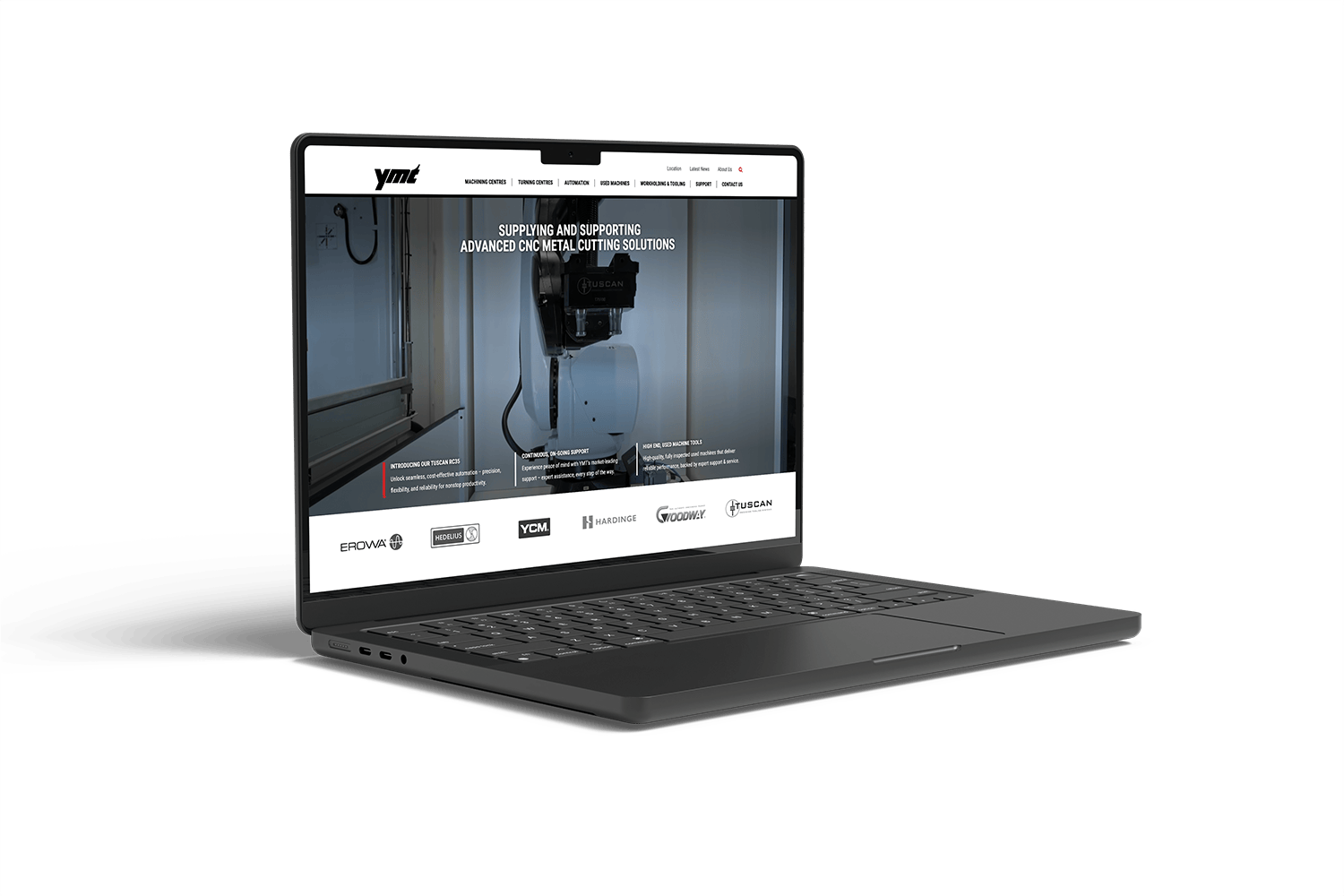
Visibility starts with the search engines. A strong website must look the part with eye-catching visuals and intuitive usability. Its primary job, however, is to be found by the right people. Gaining high organic rankings means targeting the specific, well-researched key phrases that industrial buyers type into Google.
Good manufacturing SEO helps the right engineers and procurement managers find your website at the exact moment they need your capabilities. Thoroughly engineered and organically promoted websites act as your hardest-working salesperson. This requires investing in the right experienced people, precise tools and technical capabilities.
Ranking highly demands more than stuffing keywords onto a page. Search engines reward websites that provide genuine value. Your content must highlight your engineering processes, material capabilities and industry certifications. When a technical visitor lands on your site, they need immediate reassurance that you possess the necessary expertise. Clear navigation, fast loading times and mobile responsiveness all contribute to a positive user experience, which search engines consider.

Adapting to the AI Revolution
The search landscape is moving well beyond standard search engines. Engineers and procurement teams are increasingly turning to AI platforms like ChatGPT and Claude. They ask these tools to shortlist suppliers, compare manufacturing capabilities and explain complex technical processes. You need to ask yourself a critical question: is your business showing up in those AI-generated answers?
Marketing for manufacturers requires a deep understanding of how industrial buyers think, what they search for and how content is discovered today. By applying the basics of traditional SEO to modern tools, you improve the chances that your business is cited when a buyer asks an AI for recommendations.
This AI Search Optimisation relies on providing clear, highly technical and accurately structured information on your website. AI tools favour web content that is authoritative and unambiguous. If your website buries its best technical specifications inside downloadable PDFs or uses vague marketing speak, that information is harder for AI tools to find, extract and cite. Providing direct answers to complex engineering questions bridges the gap between old-school search and the modern AI revolution.
Driving Immediate Traffic: Google Ads (PPC)
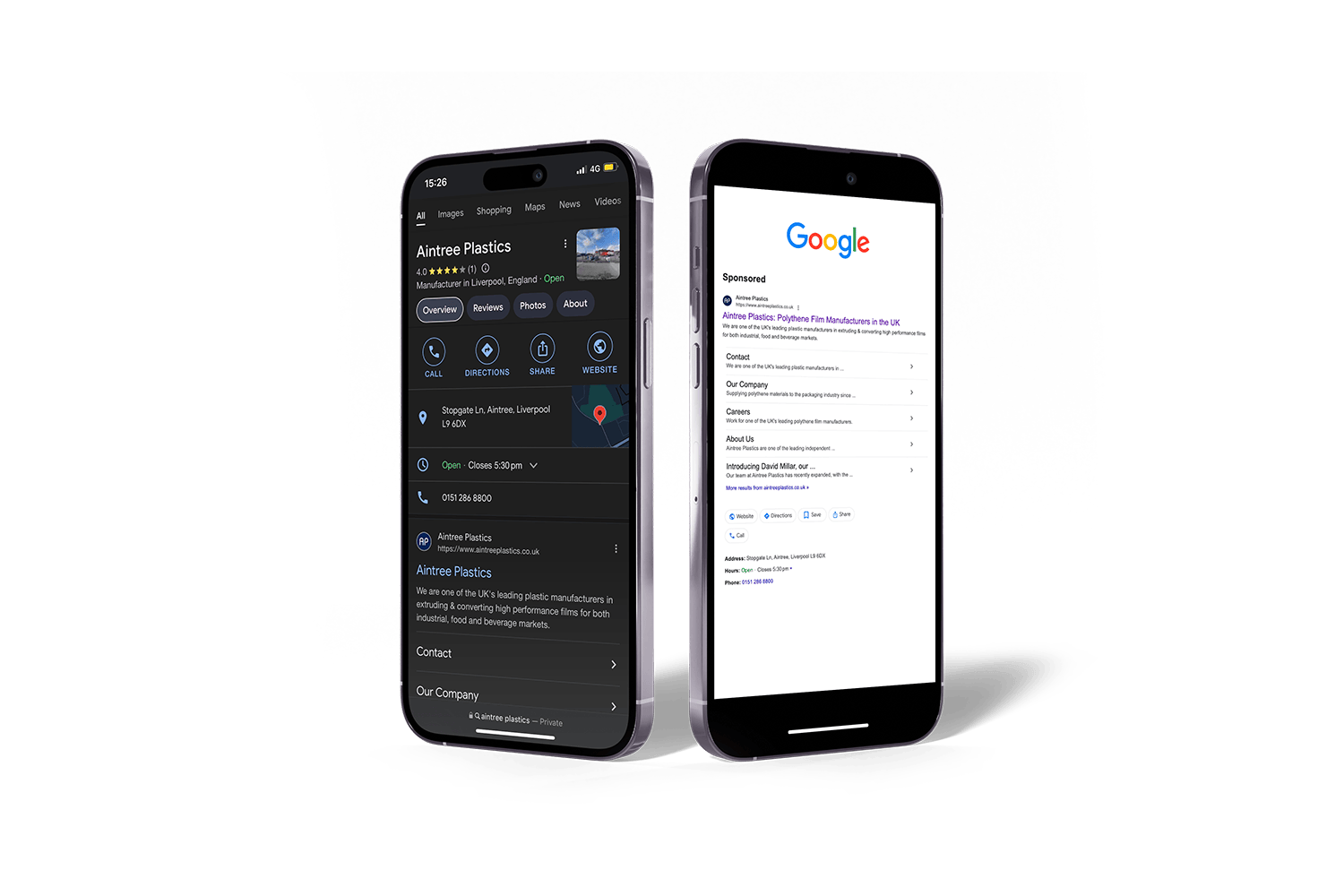
Organic growth takes time; pay-per-click advertising offers an immediate injection of highly relevant traffic. A carefully structured Google Ads campaign complements your organic SEO strategy. It generates targeted online enquiries from the very outset.
The secret to a successful campaign is tight control. By selecting the best keywords, using exact match types, targeting specific demographics and setting precise timing schedules, you make the most of your investment. Negative keywords stop irrelevant clicks from stealing your ad budget. Every pound should work hard to generate targeted online enquiries.
A well-thought-out PPC campaign targets the right prospects actively looking for your services. PPC puts your brand at the very top of the page when a buyer has immediate intent to purchase. Tweaking your ads regularly stops your money from being wasted on the wrong people. You can tailor your ads to specific geographic regions or run them only during business hours when procurement teams are active. This level of granular control makes PPC a powerful tool for manufacturers.
Building Brand Awareness Through Social Media
Social media offers a direct line to potential customers and interested parties. Keeping your message clear and consistent across key channels steadily grows your reach: it hooks potential buyers and lays out your core services.
Many manufacturing directors remain suspicious of social platforms. They view them as irrelevant to heavy industry or complex engineering. The reality is quite different: social media is simply where your buyers spend their professional downtime. LinkedIn is like a networking event that runs non-stop: you can connect without leaving your desk.
Effective account management communicates your capabilities without aggressive selling. Highlighting completed projects, sharing insights into your manufacturing processes and introducing your team puts a human face on an industrial business, which is especially important in a world now full of AI-generated content. Social activity also supports your wider search visibility: it builds brand recognition, which leads more people to search for you by name, and LinkedIn content is increasingly cited in AI-generated answers.
Having experienced social media experts post well-written content on your behalf keeps your business active and engaging. This requires minimal internal management, freeing you up to run your business. It builds authority and creates a familiar brand presence so that when a buyer needs your services, your name is already trusted.
Nurturing the Long Sales Cycle: Blogs, News and Email
Manufacturing sales cycles are notoriously long. A prospect might research a project many months before they are ready to issue a purchase order. You need a reliable mechanism to stay in touch during that lengthy gap.
Publishing regular blogs and industry news proves your technical expertise. It answers the specific questions buyers are researching, improving your visibility in both Google and AI search tools. These articles prove your credibility; they show a cautious buyer that you genuinely understand their daily challenges.
Good content paired with steady emails keeps potential buyers interested for the long haul. Email allows you to send out genuinely useful information, technical insights and company updates directly to an interested audience. It keeps your company fresh in their minds without ever resorting to a hard sell.
When that prospect is finally ready to buy, your consistent, helpful presence keeps you in the running. This kind of steady contact suits the industrial sector perfectly. You build a subscriber list of highly targeted professionals and provide them with continuous value.
Leveraging Data: Website Tracking and Analytics
Without measurement, you’re flying blind: website tracking lets you see how potential buyers navigate your pages.
Understanding exactly how visitors interact with your site helps you refine your marketing and win more business. You can see which pages hold their attention, where they drop off and what content drives them to contact you. This data makes your budget work harder. You can put your budget behind ads getting results and then fix the pages that aren’t pulling their weight.
You can also use this software to protect your advertising budget. Tracking helps you spot suspicious repeat clicks, so the IP addresses behind them can be excluded from your campaigns. Clicks from competitors and other time wasters can drain a budget quickly if nobody is watching.
Our first-hand experience in the manufacturing sector provides a real advantage when interpreting this data. Understanding the jargon and the day-to-day realities of manufacturing processes gives any marketing campaign a running start. By letting data drive your decisions, you build a website that truly makes the most of your online presence.
Bringing the Strategy Together
Modern engineering marketing works best when all these elements operate as one cohesive machine. The website acts as the central hub; search and AI optimisation drive the initial traffic. PPC advertising captures buyers with immediate intent, while social media builds broad awareness and trust. Blogs, news and email marketing nurture those long-term prospects, and robust analytics keep the entire system tuned for maximum efficiency.
Embracing these digital tools does not mean abandoning traditional business values. Quality work, excellent customer service and face-to-face meetings remain essential to closing deals. Digital marketing simply ensures you get the opportunity to have those conversations in the first place.
The buyers have moved their research online; placing your business directly in their path is the most reliable way to protect future growth.
If you would like help bringing these channels together, speak to our team about outsourced marketing management for your business.
Supporting UK Manufacturing
Dedicated to maximising exposure for UK manufacturing companies
AMI – Marketing for Manufacturing is trusted by UK manufacturers, engineers and industrial businesses. We have a reputation for delivering affordable, results-driven marketing with customers attracting regular new business enquiries.