Is Your Trade Show Marketing Turning Leads into Quotes?
A good trade show can feel like a success before it has earned a penny. The stand was busy, the badge scanner was full, and everyone was shattered. Then the team gets back, the leads sit in a spreadsheet, and six weeks later nobody can say what the show won.
For most manufacturers, the quotes that come from an exhibition don’t start on the stand. They start a few days later, when a buyer gets back to their desk, opens your website and starts reading. Effective trade show and exhibition marketing is built around that moment.
In 2026, 22 AMI clients exhibited at Southern Manufacturing. We exhibit there ourselves, as well as at Interplas, so we see first-hand what manufacturers expect from a show and what happens to the leads afterwards. One machining client came away from a single show with around 60 leads.
This guide covers what to set up before the show, what to capture on the stand, and how to use website visitor identification to work out who to call first.
It draws on Snitcher’s trade show playbook. Snitcher is the website visitor identification tool AMI uses itself and provides to our clients.
Why do manufacturers keep investing in exhibitions? We filmed this for our client Whitehouse Machine Tools in September 2026, with Peter Smith explaining why shows still matter.
Peter Smith, Sales and Marketing Director, on why exhibitions are important. Filmed by AMI for Whitehouse Machine Tools.
Why exhibition leads go cold
Most show leads don’t go cold because the product was wrong. They go cold because of what happens, or doesn’t happen, in the fortnight after.
Three things usually get in the way:
- The badge scan has no context. It gives you a name and a company. It doesn’t tell you whether they wanted a price, a sample or just a free pen.
- Every lead looks the same in a spreadsheet. A buyer with a live project and someone who stopped for a coffee sit side by side, so reps either call everyone or call no one.
- The follow-up starts too late. By the time the stand is unpacked and the inbox is cleared, the buyers who were serious have already spoken to the three other suppliers they met that day.
The fix isn’t more leads. It’s knowing which of the leads you already have are worth a phone call this week.
Decide who you want to win before the show
Start six weeks before with a short list of the companies you most want as customers. Twenty to fifty is plenty. Include the best-fit accounts in your region, the names you’ve always chased, and existing customers who have gone quiet.
Most of those companies won’t stop at your stand. Their buyers have a list of stands to see and a train to catch. But many will clock your name, walk on and look you up later. If nobody is watching for them, you’ll never know they were interested.
This is where website visitor identification earns its place. Snitcher, the tool AMI uses and provides to clients, works out which company a visitor works for based on the network they browse on. It then shows you which pages they read and how often they come back. It identifies the business, not the individual, and nobody has to fill in a form.
Upload your target list to Snitcher before the show, and you’ll be alerted when any of those companies start reading your site. That alert can land in your inbox, Teams, Slack, or CRM, so it reaches the rep who looks after that account.
A few practical steps for the weeks before:
- Build the target list with one company per row and its website.
- Load it into Snitcher and check it weekly for companies reading your product pages.
- Send those companies a short, product-led email inviting them to the stand. Mention what you’re showing, not that you’ve seen them on your site.
- Brief the stand team so every rep knows which targets are theirs.
- Build a landing page for each product you’re showing. You’ll need these on the stand. If your site can’t do this easily, our websites for UK manufacturers are built with it in mind.
On the stand: swap the badge scan for a QR code
Badge scanning is the default at most UK exhibitions, but it captures very little. You get a name and a company, and the reason they stopped is lost by the second afternoon.
A QR code works better because it gives the visitor something they actually want. Put one on the stand, the counter and the back of your business cards. Each code opens a page on your website with the spec sheet, price list or trial booking for that product, in exchange for a name and email.
| Badge scan | QR code to your site | |
|---|---|---|
| What they want | Not recorded | The spec sheet or trial they chose |
| Contact details | Whatever the badge says | An email they chose to give you |
| Who they spoke to | Lost unless written down | Built in, if each rep has their own code |
| After the show | Nothing | Their company’s return visits show in Snitcher |
The last row is the important one. Because they’ve been on your website, you’ll see when their company comes back from the office the following week, and what they read.
Keep the badge scanner for anyone who won’t scan the code, but add one line to every scan: what they asked about and what you promised. “Wants a sample in 316 stainless, send by Friday” is next week’s phone call. “Good chat” isn’t.
Two more habits worth building into show days:
- A 15-minute debrief at close. Who’s hot, who’s owed what, and who is ringing them.
- Watch your target list during the show. If a target starts reading your site mid-week, their rep can still invite them to the stand before the doors close.
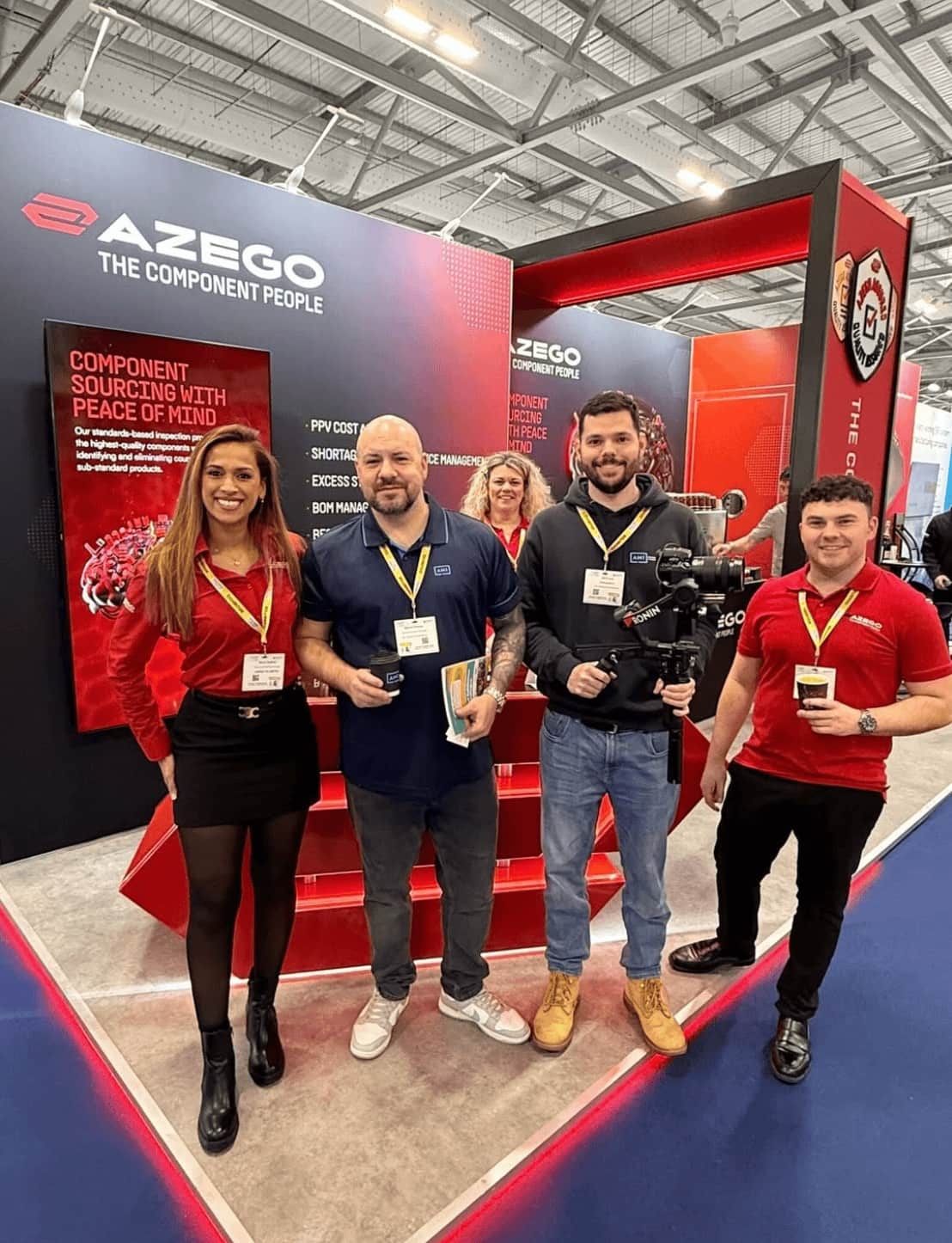
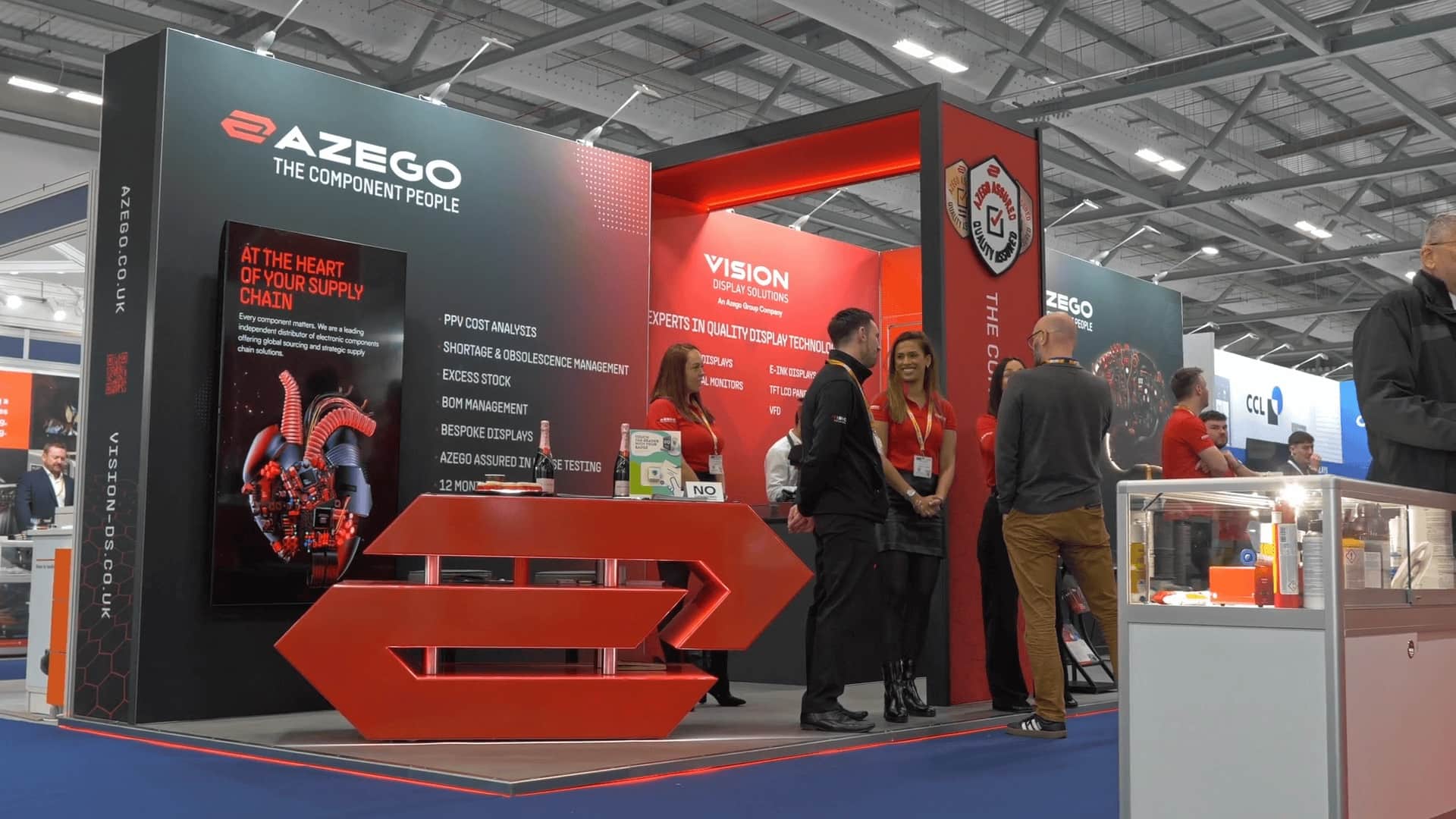
Video from the stand keeps working long after the doors close. AMI filmed this round-up for Azego at Southern Manufacturing 2026. Clips like this give a follow-up email, a LinkedIn post or a product page something worth clicking, and our exhibition videos are made for exactly that.
Azego at Southern Manufacturing 2026, filmed by AMI.
When you're back: let the website sort the pile
The pile of scans, QR sign-ups and business cards can’t tell you who is serious. What those companies do next can.
A buyer with a real project goes back to the office and reads up on you. They look at the product they saw, check your capabilities, and often share your site with a colleague. Someone who was being polite doesn’t come back at all.
So, the day you’re back, before the stand is unpacked:
- Export the badge scans from the show app and add the QR sign-ups and business cards.
- Reduce it to one row per company, with its website. If you only have an email address, the website is usually the part after the @ (Gmail and Hotmail addresses need checking with whoever collected them).
- Upload that list to Snitcher as its own segment.
- Send every promised spec sheet, sample or price within two working days.
- Check the segment every morning for two weeks, then weekly until week six.
Snitcher can also email the segment to you each morning, so nobody has to remember to log in.
As an illustration, say your team comes home with 180 scans. Once duplicates are removed, that’s 120 companies. Over the next fortnight, 25 of them visit your website. Those 25, plus any targets from your pre-show list who read up on you without visiting the stand, are your call list. The rest go into your next newsletter.
We saw this ourselves after a recent show. We came back to the office with 30 good leads and the obvious question: where do we start? The best ones, surely. But before picking up the phone, we checked Snitcher. Two of those 30 had been all over our website in the days after we met them. We took that as the clearest sign of intent and put our time into the two companies most motivated to work with us.
Who to call first
Not every return visit means the same thing. The pages a company reads tell your rep what it wants next, so they can have it ready before they pick up the phone.
| What they read | What it usually means | How the rep opens |
|---|---|---|
| Lead times, delivery or your quote page | They’re working out cost and timing | Offer a price by a set date |
| The product they saw on the stand | The stand conversation was real | Pick up where it left off and send the spec sheet |
| The same pages, from a second site or city | Someone else is now involved, often the decision-maker | Ask who else should see it and offer to walk them through |
| Your site, but they never visited the stand | Your name stuck | Say you missed them at the show and offer the spec sheet |
| The homepage, once | Politeness | Nothing yet |
Call in that order. A company reading your lead times is much closer to an order than one reading your About page. Snitcher also grades each company on how closely it matches your best customers, which helps sort everything below the top row.
One rule to remember more than most: never open with “I saw you on our website”. The visit tells your rep it’s a good week to call. The conversation should be about their project, and the person who met them on the stand is best placed to have it.
Hand each company to the rep who met them, or the rep for that region if nobody did. Snitcher can send each rep their own companies by email, Teams, Slack or CRM, so nobody is forwarding spreadsheets around. Then log the outcome where you track deals: talking, quote sent or not now.
A trade show follow-up email that gets a reply
If the call goes to voicemail, send an email the same day. Keep it short, refer to the conversation you had, and ask for one specific next step.
Subject: The brackets we discussed at Southern ManufacturingHi Sarah, I tried to call earlier, no problem if it wasn’t a good time.
Following our chat on the stand, I’ve attached the spec sheet for the laser-cut brackets and a rough lead time for your volumes.
Would 15 minutes on Thursday afternoon work to go through it?
Tim
A few things make this work:
- The subject line names the product and the show, so it’s recognisable in a busy inbox.
- It delivers what was promised rather than asking for something first.
- It asks for one thing with a suggested time, not an open “let me know”.
Avoid the generic “great to meet you at the show” email sent to every scan. It reads like a mail merge because it is, and it gets the response a mail merge deserves.
If you filmed at the show, a link to the video makes a natural second email a week or so later. It gives you something new to share, rather than another “just checking in”.
Measuring trade show ROI
The question your MD will ask isn’t how many badges you scanned. It’s whether the stand paid for itself and whether to book it again.
Give them a first read after two weeks, then make the decision at week six, once the slower buyers have had time to come back. Capital equipment and subcontract work are rarely bought on impulse.
At week six, pull together six numbers:
- Companies met: the rows on your show list.
- Came back: companies from that list that visited your site, plus any targets that did.
- Good fit: the ones Snitcher grades as a close match to your best customers.
- Calls made: from your reps.
- Quotes sent: from your reps.
- Total cost: stand space, build, staff time, travel and hotels.
Then put it in one sentence at the top of the email: “We met 120 companies, 25 came back to our website, 20 got a call, and 5 have asked for a quote.” If one of those quotes converts, it would cover the show, and the case for rebooking makes itself.
If the numbers disappoint, they also tell you where the problem is:
| What you see | What it suggests |
|---|---|
| Good-fit companies came back, but no quotes | The follow-up isn’t landing. Fix the calls before dropping the show. |
| Plenty came back, but few look like your customers | The wrong audience. Try a different show or hall. |
| Almost nobody came back | The show isn’t working for you. |
Don’t switch off at week six. Quotes from a show can land months later, so leave the segment running and keep adding to the count.
Between shows, your website is a stand that never shuts
The same kind of buyers who walk past your stand visit your website every week. Most of them never fill in a contact form.
Give one person the job of reviewing those visitors, with a weekly list of companies arriving in their inbox each Monday. Over a few months, that list becomes the starting point for your next show’s target list, and the cycle starts again with better information.
AMI has been helping UK manufacturers get more from their marketing since 2009. Many of our clients use Snitcher alongside their SEO and PPC, so we can tie the traffic we bring in back to real companies.
How AMI sets up Snitcher for exhibitors
When AMI clients exhibit, we set Snitcher up so it’s working before the doors open. That covers:
- Loading your target list and building a segment for the show
- Setting up alerts so each rep gets their own companies by email, Teams or Slack
- Adding the post-show list the day you’re back, so the sorting starts straight away
- Keeping an eye on your account from our side and flagging companies that look ready to talk
You get full access to Snitcher yourself, so your team sees exactly what we see.
Frequently asked questions
How soon should you follow up trade show leads?
Send anything you promised within two working days and make the first calls in the first week back. Use website activity to decide who gets called first.
How do you measure trade show ROI?
Compare the quotes and orders the show produced against its total cost, including stand, build, staff time and travel. Give a first read at two weeks and make the rebooking decision at around six weeks.
Can you see which companies visit your website?
Yes. Website visitor identification tools such as Snitcher match a visitor’s network to the company behind it, then show which pages they viewed and how often they returned. They identify the company, not the individual.
Is badge scanning still worth doing at exhibitions?
As a backup, yes. A QR code that leads to a spec sheet or price list captures more useful information but scan the badges of anyone who won’t use it and add a note about what they asked for.
What are the most useful trade show tips for manufacturers?
Decide who you want to meet before the show, capture what each visitor wanted on the stand, follow up within days, and measure the show on quotes rather than badge scans.
Got a show coming up?
If you’re exhibiting soon, now is the time to get your target list into Snitcher so it’s already working when you arrive.
AMI provides Snitcher to manufacturers and sets it up for you, from target lists and show segments to alerts for each rep. Book a demo with AMI, and we’ll show you what it can see on your website today.

Supporting UK Manufacturing
Dedicated to maximising exposure for UK manufacturing companies
AMI – Marketing for Manufacturing is trusted by UK manufacturers, engineers and industrial businesses. We have a reputation for delivering affordable, results-driven marketing with customers attracting regular new business enquiries.